Lake Hartwell Flood Prevention: Protecting Your Lakefront Property in Anderson, SC
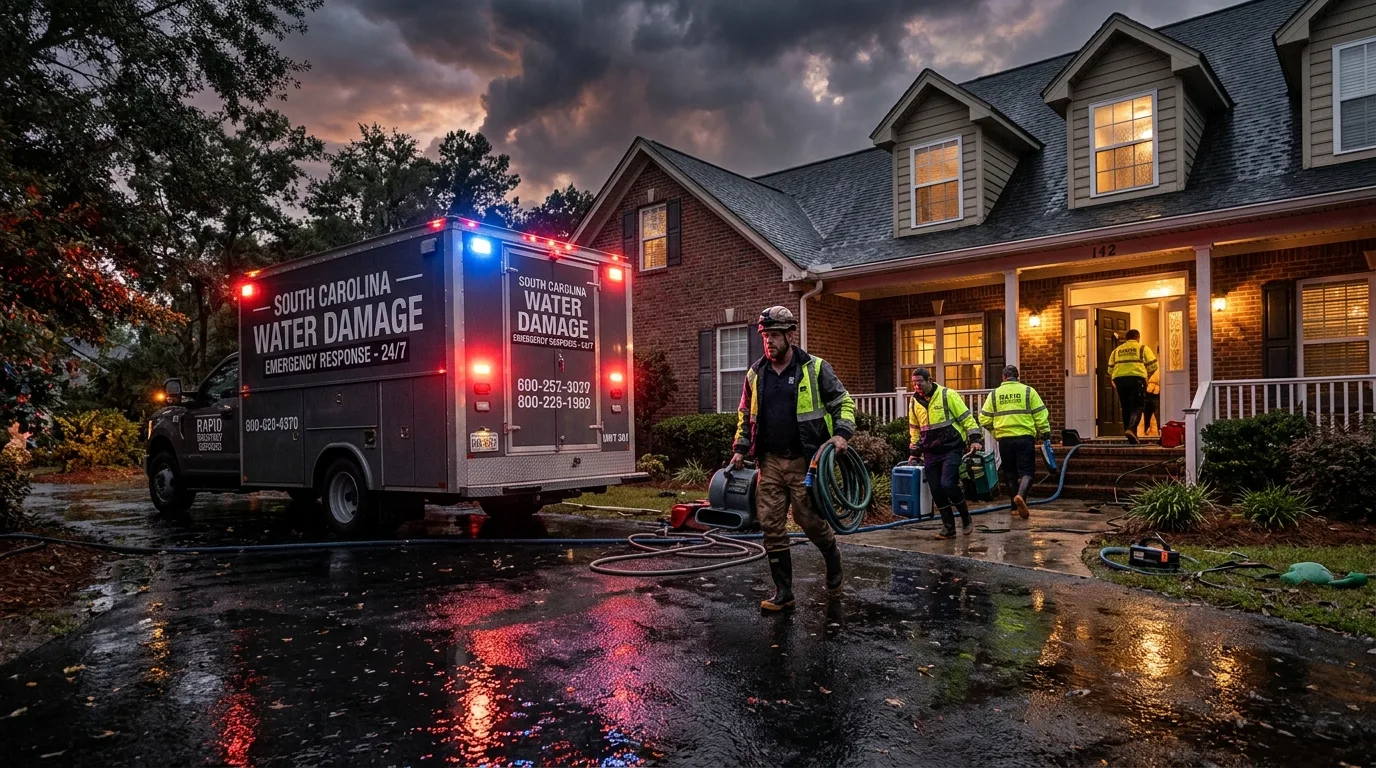
Lake Hartwell’s 56,000 acres and 962 miles of shoreline make it one of the defining geographic features of Anderson County — and one of its most significant sources of flood risk for lakefront and near-lake property owners. Unlike flooding from a burst pipe inside the home, Lake Hartwell flooding comes from outside: rising water levels, storm surge along tributaries, and overland flow from saturated soils surrounding the lake’s watershed.
In this post, we cover the specific flood risks Lake Hartwell creates for Anderson County properties, practical prevention strategies, and what to do immediately if flooding occurs.
Lake Hartwell Flooding? Emergency Flood Cleanup Available 24/7
Anderson Water Damage Pros responds within 60 minutes to flood events across Anderson County. Call (877) 698-1311.
Why Lake Hartwell Creates Unique Flood Risk in Anderson County
Lake Hartwell is a US Army Corps of Engineers reservoir that straddles the South Carolina–Georgia border, with the largest portion of its shoreline in Anderson County, SC. Unlike a natural lake with fixed water levels, Hartwell’s level fluctuates based on Corps management decisions, upstream inflows from the Savannah River Basin, and the precipitation patterns across its 2,500-square-mile watershed.
During periods of heavy spring rainfall or after tropical systems deliver sustained precipitation, the Corps may release water through Hartwell Dam — releasing water from the lake to protect dam structural integrity, but in doing so raising downstream levels and contributing to localized flooding in low-lying areas along the lake’s tributaries. Properties in the Northlake neighborhood and along lake inlets can see water levels rise rapidly during these events.
The First Street Foundation estimates that 9.5% of Anderson County properties face meaningful flood risk over the next 30 years. This figure reflects both the direct lake exposure and the broader flooding vulnerability created by Anderson County’s clay-dominant soils, which prevent rapid drainage of heavy rainfall and allow water to pool in low-lying areas throughout the watershed.
Types of Lake Hartwell Flood Events
Storm surge on tributaries: Heavy rain events push water up the lake’s tributary streams — Rocky River, Eighteen Mile Creek, and other Anderson County waterways — flooding properties that sit along these streams even when the lake itself hasn’t risen significantly.
Lake level rise from managed releases: When the Corps releases water from Hartwell Dam in response to elevated lake levels, properties at lower elevations around the lake can experience flooding from rising shoreline water rather than rainfall directly.
Overland flooding: Anderson County’s clay soils have very low permeability. During sustained rainfall events, the ground becomes saturated rapidly, and subsequent rain flows overland rather than infiltrating — creating flood conditions across the watershed even away from direct lake frontage.
Flash flooding from thunderstorms: Anderson’s spring severe thunderstorm season (April–June) brings intense short-duration rainfall that overwhelms storm drains and creek banks across Anderson County, creating rapid flash flooding in low-lying areas.
Flood Cleanup for Anderson County Properties
From Lake Hartwell shoreline to inland flood zones — we handle the full flood cleanup process. Call (877) 698-1311.
Flood Prevention Strategies for Anderson Lakefront Properties
Understand your flood zone designation. Contact Anderson County or use FEMA’s flood map service to determine your property’s official flood zone. Properties in Zones AE or VE are at high flood risk and are required to carry NFIP flood insurance if they carry a federally backed mortgage. Zone X properties have lower risk but are not risk-free.
Purchase flood insurance before you need it. Standard homeowners insurance in South Carolina does not cover flooding from rising water, including Lake Hartwell overflow. The National Flood Insurance Program (NFIP) provides this coverage, but policies have a 30-day waiting period before they take effect — meaning you cannot buy flood insurance when a storm is already approaching. Purchase your flood insurance before storm season arrives.
Elevate critical mechanicals. Water heaters, electrical panels, HVAC units, and other mechanical equipment in flood-prone homes should be elevated above the base flood elevation on platforms or upper floors. A single flooding event that destroys ground-level mechanical equipment can add $10,000–$30,000 in uninsured costs beyond structural damage.
Improve yard drainage around the foundation. Anderson County’s clay soils make yard drainage engineering particularly important for near-lake properties. French drains, swales, and grading that directs water away from the foundation — not toward it — reduce the amount of groundwater that reaches the crawl space or basement during heavy rain events.
Seal foundation penetrations. Water follows the path of least resistance into structures. Gaps around utility penetrations, foundation cracks, and window well areas should be sealed with waterproof sealant or hydraulic cement to reduce infiltration during rising water events.
What to Do When Lake Hartwell Flooding Occurs
Before the water reaches your home: Move vehicles to higher ground. Shut off electrical circuits that serve below-grade spaces. Move valuables, important documents, and irreplaceable items to upper floors. Know where your main water shutoff is so you can stop any supply line flows immediately.
When flooding occurs: Do not enter floodwater on foot — Lake Hartwell area floodwater can move faster than it appears, carry debris, and conceal drop-offs. Do not enter any flooded interior space where electricity may be active. Photograph and video document all water intrusion from a safe position.
After water recedes: Call Anderson Water Damage Pros immediately. Flood cleanup — particularly for Lake Hartwell events involving lake water or storm runoff — is Category 2 or Category 3 water requiring professional biohazard protocols. Mold begins developing on wet surfaces within 48–72 hours in Anderson’s humid climate, making prompt professional extraction critical.
Cost of Flood Damage Cleanup Near Lake Hartwell
Flood damage cleanup costs more than standard clean water events because lake water and storm runoff are contaminated — Category 2 or Category 3 water that requires additional sanitization protocols. Significant residential flooding events in Anderson County near Lake Hartwell typically run $2,500–$8,000+ depending on the area affected, water depth, and amount of material requiring removal. Crawl space flooding in older Anderson County homes adds additional cost due to the ground moisture compounding the flood event.
Flood insurance typically covers structure and contents (up to policy limits) for flooding from rising water. Document all damage thoroughly before any cleanup begins, and contact your flood insurance carrier promptly — NFIP has specific claim documentation requirements. Our water damage insurance claim guide covers the SC-specific steps for documenting and submitting a flood claim.
Frequently Asked Questions
Is my Anderson County property in a flood zone near Lake Hartwell?
FEMA’s Flood Map Service Center provides official flood zone designations for all Anderson County properties. Search by address at msc.fema.gov. Properties along Lake Hartwell’s immediate shoreline and its tributaries are frequently in Zone AE (100-year floodplain). If you’re uncertain of your designation, contact the Anderson County Planning Department.
Does standard homeowners insurance cover Lake Hartwell flooding?
No. Standard South Carolina homeowners insurance does not cover flooding from rising water sources — including Lake Hartwell. Only a separate NFIP flood insurance policy or private flood insurance covers this type of damage. If water entered your home through the roof, windows, or from an interior pipe failure during a storm (not from rising water), your standard homeowners policy may cover those components. We help document which damage was caused by which water source to support accurate claim determination.
How do I prepare my Anderson lakefront home for flood season?
Purchase flood insurance before storm season (June is the official start of hurricane season, though Upstate SC flooding can occur year-round). Elevate mechanicals, improve yard drainage toward the lake and away from your foundation, and seal foundation penetrations. Know your elevation relative to the 100-year base flood elevation — properties significantly above BFE are far less likely to experience interior flooding even during major lake events. See our full guide on Anderson County flood history for historical context on local flood events.
Related:
- Flood damage cleanup in Anderson SC
- Anderson County flood history: what homeowners should know
- Water damage insurance claim guide for South Carolina
Lake Hartwell Flooding? Anderson Water Damage Pros is Ready
24/7 flood cleanup for Anderson County lakefront and inland properties. Call (877) 698-1311 the moment water starts entering your home.